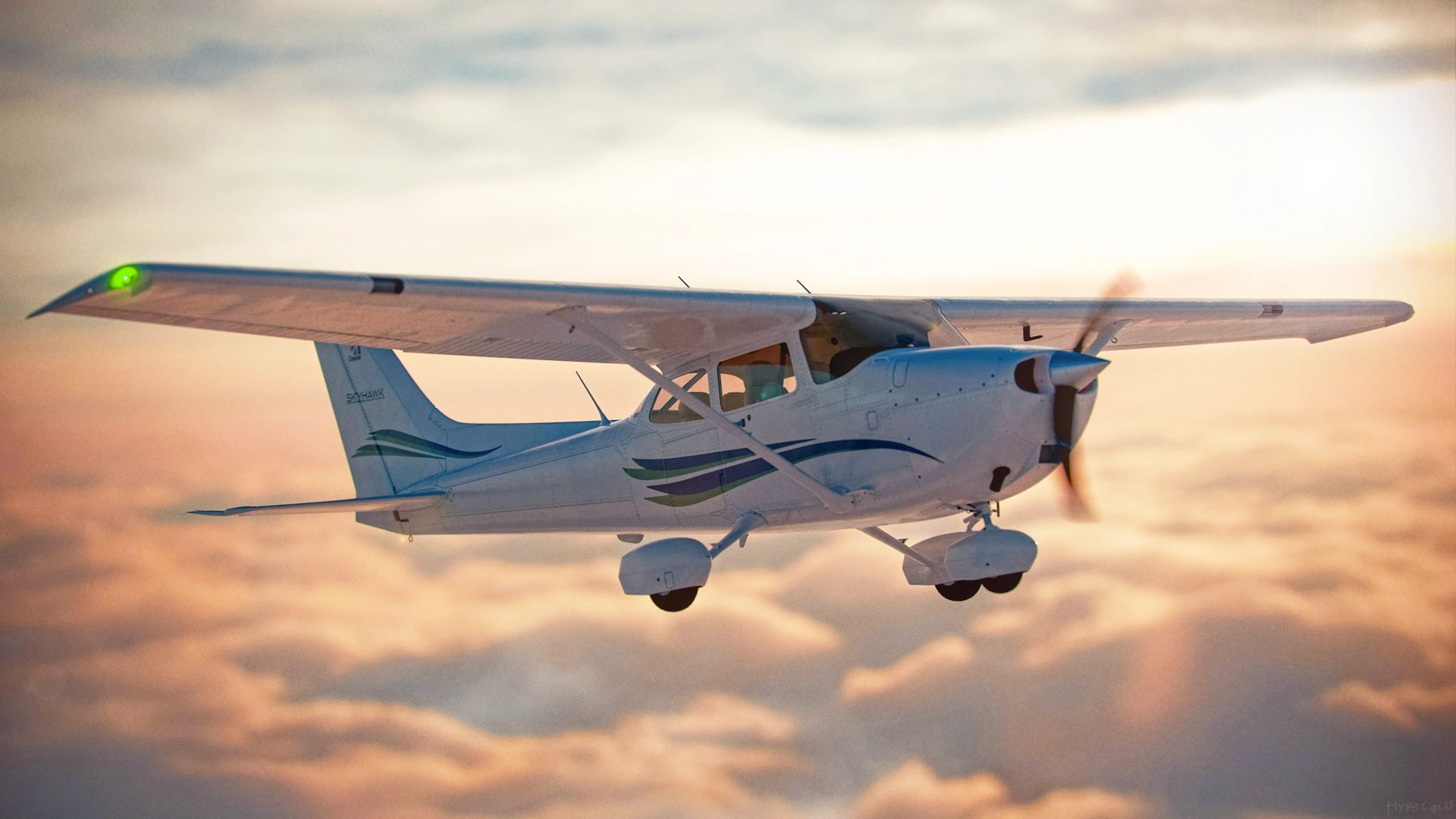
You’re standing on the ramp with a student, looking at a perfectly clear blue sky. The weather forecast looks great, the aircraft is preflighted, and you’re ready to go. But 93 million miles away, something’s happening on the Sun that could affect your operations today.
As a flight school owner, you’re already juggling weather minimums, aircraft maintenance, instructor scheduling, and student progress. The last thing you need is another variable. But understanding how solar flares, space weather, and other natural phenomena affect aviation can help you make better operational decisions and even turn these moments into valuable teaching opportunities for your students.
Let’s talk about what’s really happening up there and how it impacts your day-to-day operations.
Space Weather Isn’t Just Science Fiction
When most people think about weather affecting flights, they picture thunderstorms, fog, or icing conditions. But there’s another kind of weather that aviation professionals need to understand: space weather.
Solar Flares: More Than Just Pretty Lights
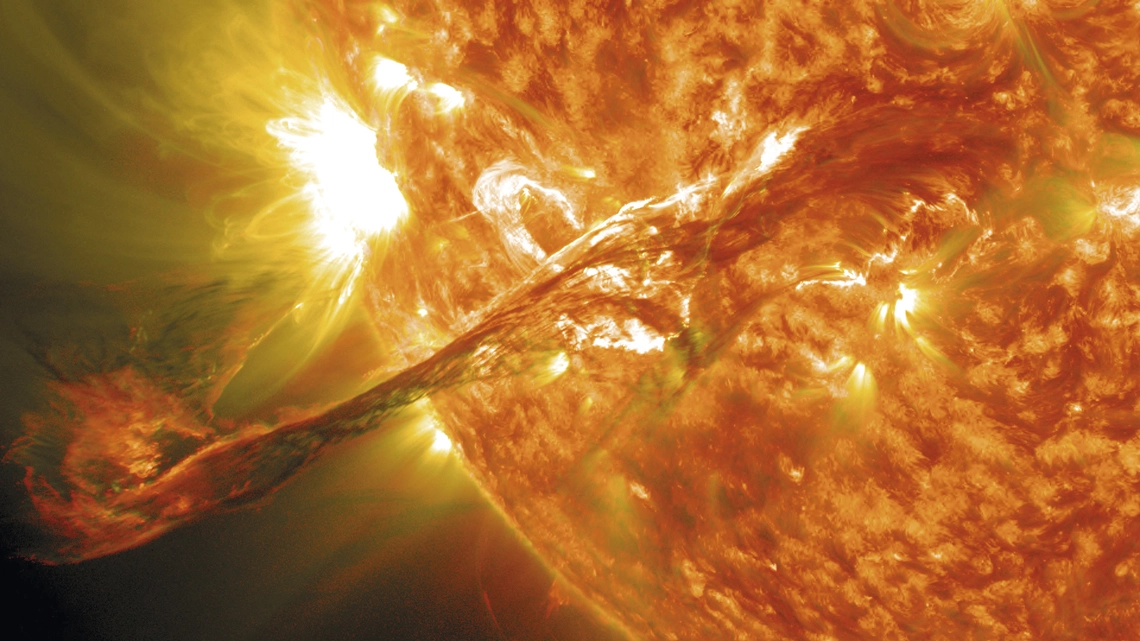
A solar flare is basically the Sun having a bad day. It’s a sudden, intense burst of radiation that can release as much energy as billions of nuclear bombs in just minutes. For your flight operations, here’s what matters:
Radio communications can get weird. Those flares send out X-rays and ultraviolet radiation that mess with the ionosphere, the layer of atmosphere that helps radio signals travel long distances. While your typical flight school operations rely on VHF radio (which mostly works line-of-sight), any cross-country flights or operations near the edges of radar coverage could experience unusual communication issues.
GPS accuracy takes a hit. Your students learning to navigate with GPS might notice their position seems less precise than usual. The same ionospheric changes that affect radio can also degrade GPS signals. This is actually a great teaching moment about why we still teach pilotage, dead reckoning, and VOR navigation as backups.
Geomagnetic Storms: When Earth’s Magnetic Field Acts Up
After a major solar event, we sometimes get what’s called a Coronal Mass Ejection (CME). Think of it as the Sun burping out a massive bubble of plasma and magnetic fields. When that hits Earth a day or two later, it creates a geomagnetic storm.
These storms can amplify radiation levels at altitude (more relevant for airline operations than your typical training flights at 3,000 feet), trigger those beautiful auroras, and cause more GPS and communication hiccups.
For your flight school, the practical impact is usually minimal, but it’s worth knowing about because it affects the broader aviation system your students will eventually operate in.
What This Means for Your Flight School
Here’s the thing: your Part 61 or Part 141 operation probably won’t be dramatically affected by solar flares on a typical training day. But understanding these effects helps you in a few ways.
Student Training Opportunities
When space weather events happen, use them as teaching moments:
- Discuss why we have backup navigation systems
- Explain the importance of multiple communication frequencies
- Talk about how airline operations adapt to these conditions
- Review what to do if GPS becomes unreliable during a cross-country flight
Your students need to understand that aviation happens in a complex environment. The weather brief they’re learning to interpret includes more than just METARs and TAFs.
Understanding System-Wide Impacts
Even if your local training flights aren’t affected, space weather can impact the broader aviation system. Airlines might reroute polar flights, which could affect traffic patterns. Air traffic control facilities might implement special procedures. Understanding these connections helps your students grasp how the National Airspace System really works.
The Certification Connection
As you’re preparing students for their checkrides, knowledge of space weather and natural phenomena shows a deeper understanding of aviation systems. While it won’t make or break a practical test, it demonstrates the kind of professional knowledge that sets good pilots apart from great ones.
The Bigger Weather Picture: What Actually Affects Your Daily Operations
Let’s be honest: while solar flares are fascinating, there are other natural phenomena that impact your flight school operations way more frequently.
Thunderstorms: Your Regular Nemesis
You know these all too well. They’re the reason you’re constantly checking radar and rescheduling lessons. Thunderstorms bring:
- Severe turbulence that can damage aircraft and injure occupants
- Lightning (your aircraft can handle it, but why test it during training?)
- Hail that can destroy windscreens and dent leading edges
- Microbursts and wind shear near the ground
- Heavy rain that makes everything from taxiing to landing more challenging
Your flight school probably has strict thunderstorm avoidance policies, and for good reason. These are the weather events that actually force you to cancel lessons and refund flights.
Clear Air Turbulence: The Invisible Challenge
This is the turbulence that catches everyone by surprise because you can’t see it coming on radar. It often happens near jet streams or over mountains. For your students:
- It’s a great lesson in why we always brief passengers about keeping seatbelts fastened
- It demonstrates why PIREPs (pilot reports) are so valuable
- It shows why weather briefings matter even on “clear” days
Icing Conditions: The Winter Challenge
If you operate in areas with winter weather, icing is probably one of your biggest training constraints. When supercooled water droplets freeze on contact with your aircraft:
- Performance degrades dramatically
- Control surfaces can be affected
- Pitot tubes can give false airspeed readings
Most training aircraft aren’t certified for flight into known icing conditions, which means winter can significantly reduce your available training days. This is where understanding weather theory and making conservative go/no-go decisions becomes critical for your students.
Wildfire Smoke: The New Normal
Depending on where you operate, wildfire smoke has become an increasingly common challenge. It reduces visibility for pattern work and cross-countries, and raises health concerns for students and instructors spending hours in the practice area.
How Your Flight School Can Turn Weather Knowledge Into Better Operations
Understanding these natural phenomena isn’t just academic. Here’s how to apply it practically:
Build Better Weather Briefing Habits
Train your instructors to discuss not just current conditions but also:
- Why conditions are the way they are
- What’s changing and why
- What alternative plans make sense
- How broader weather patterns might affect future lessons
This builds more weather-savvy students who make better decisions as pilots.
Use Weather Events for Ground School Enrichment
When a significant solar event or volcanic eruption affects aviation somewhere in the world, bring it into your ground school curriculum. Real-world examples stick with students way better than textbook cases.
Your content marketing strategy can include these timely discussions too. A quick social media post about how today’s space weather affects aviation shows your school stays current and engaged with the broader aviation world.
Develop Clear Weather Minimums and Policies
Having documented weather minimums for different phases of training isn’t just good safety practice—it’s good business. Students and parents appreciate clear policies. It also helps your instructors make consistent decisions without second-guessing themselves.
Invest in Good Weather Tools
Quality weather briefing tools and resources are worth the investment. Whether it’s ForeFlight subscriptions for your instructors, a good weather display in your briefing room, or access to quality forecasting services, these tools help you make better operational decisions.
The Safety Culture Connection
Here’s something that might surprise you: how you handle weather decisions directly impacts your flight school’s reputation and marketing.
Students talk. When you make conservative weather calls, you’re showing them what professional aviation looks like. When you cancel a lesson because conditions aren’t quite right, you’re teaching risk management. That student might be disappointed in the moment, but they’re learning the decision-making process that will keep them alive as a pilot.
This safety culture becomes part of your brand. Parents researching flight schools want to know their kids will be trained by people who make good decisions. Professional pilots looking for additional ratings want to train at schools that do things right.
Looking Ahead: What’s Changing
The aviation training environment is evolving, and some of these natural phenomena are playing a bigger role:
Space weather forecasting is improving. While it won’t affect your typical training flight, better forecasts help the entire aviation system operate more efficiently. Your students should understand that modern aviation depends on sophisticated monitoring systems.
Climate patterns are shifting. You’ve probably noticed changes in your local weather patterns over the years. More intense storms, longer wildfire seasons, or changing seasonal patterns all affect training operations and require adaptive scheduling.
Technology keeps getting better. Modern weather apps, real-time data, and improved forecasting help you make better decisions faster. Your students are learning to fly in an era with more weather information available than ever before.
The Bottom Line for Flight School Owners
Solar flares make for interesting headlines, but your daily weather challenges are probably more terrestrial. Still, understanding the full picture—from space weather to smoke from wildfires—helps you run a more professional operation.
Your students are learning to operate in one of the most complex environments on Earth. Part of your job is helping them understand not just how to fly the airplane, but how to make smart decisions about when to fly, when to wait, and when to cancel.
That decision-making process, that safety culture, and that professional approach? Those are the things that set successful flight schools apart and keep students coming back with referrals.
The next time you’re looking at a beautiful clear sky and wondering about a distant solar flare, remember: aviation has systems, procedures, and people in place to handle these challenges. Your job is to teach your students to work within those systems, make conservative decisions, and always prioritize safety over schedule pressure.
Because at the end of the day, weather—whether it’s coming from the Sun or from a thunderstorm cell—is something we respect, understand, and work with, not against.
Want to learn more about building a safety-focused brand that attracts quality students? Check out our resources on aviation marketing for flight schools or contact Right Rudder Marketing to discuss how we can help your flight school stand out in a competitive market.