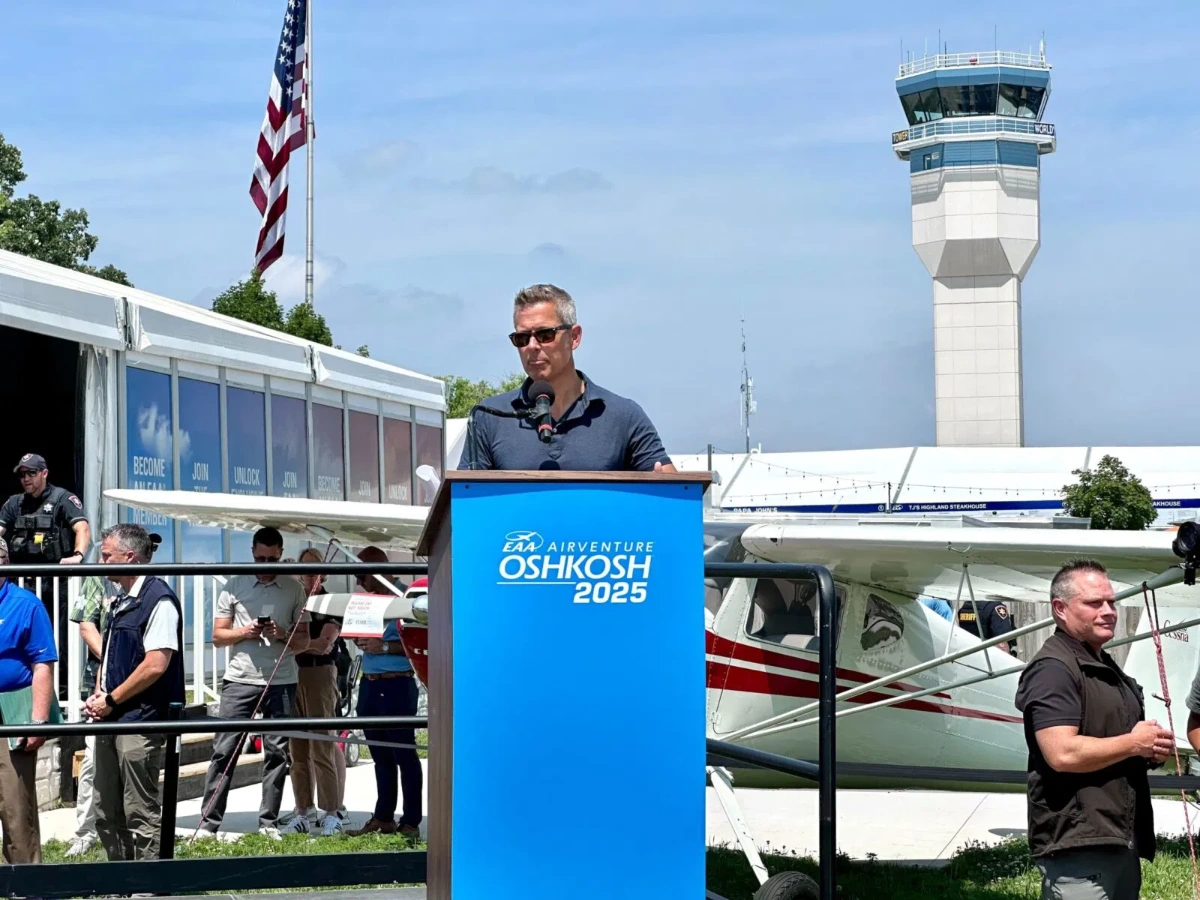
When U.S. Transportation Secretary Sean P. Duffy announced a $14.4 million federal investment in recreational aviation infrastructure this July, most flight school owners probably filed it away as “interesting news for weekend pilots.” That would be a costly mistake.
This landmark initiative isn’t just about upgrading small airports—it’s about creating unprecedented opportunities for flight schools to expand their reach, diversify their offerings, and tap into new student markets. Smart flight school owners are already planning how to leverage this investment wave.
The Perfect Storm: Federal Funding Meets Flight Training Demand
The timing couldn’t be better. As the pilot shortage continues to challenge the aviation industry, this federal investment addresses a critical piece of the puzzle: making aviation more accessible at the grassroots level. The FAA’s partnership with the Recreational Aviation Foundation targets publicly owned, non-primary airports across 11 states, focusing on the kind of infrastructure improvements that make flying more appealing to newcomers.
These aren’t distant promises. Funding disbursement begins in late 2025, with airport upgrades rolling out in early 2026. For flight schools, this represents a fast-approaching opportunity to position themselves at the center of their local aviation renaissance.
What’s Actually Getting Upgraded (And Why It Matters for Your School)
The $14.4 million investment focuses on three key areas that directly impact flight training operations:
Runway Improvements: Fresh pavement and proper markings don’t just look better—they provide safer training environments and expand operational windows for student flights.
Lighting and Navigation Upgrades: Enhanced lighting systems enable more consistent night training operations, while improved navigational aids support instrument training and cross-country instruction.
Safety Enhancements: Upgraded facilities reduce operational risks and create more professional training environments that appeal to safety-conscious students and parents.
These improvements transform small airports from basic strips into legitimate training destinations, opening doors for satellite operations, specialized programs, and expanded cross-country training routes.
Six Strategic Opportunities for Forward-Thinking Flight Schools
1. Expand Your Geographic Footprint
Upgraded airports create natural expansion opportunities. Consider establishing satellite training locations, destination-based programs, or partnership agreements with newly improved facilities. This geographic diversification can help you tap into under-served markets while spreading operational risk across multiple locations.
2. Diversify Your Program Portfolio
Enhanced airport infrastructure makes it easier to offer entry-level programs that serve as stepping stones to full pilot training. Think discovery flights, scenic tours, sport pilot courses, and aviation summer camps. These programs often generate higher profit margins while creating natural pathways to advanced training.
3. Become the Local Aviation Ambassador
Airport improvement projects generate community excitement and media attention. Position your flight school as a key partner in the local aviation revival. Host ribbon-cutting ceremonies, sponsor fly-in events, and create content that showcases your role in the transformation. This visibility translates directly into brand recognition and enrollment inquiries.
4. Build Your Future Instructor Pipeline
Recreational pilots often become career aviators and eventually flight instructors. By engaging early with aviation enthusiasts drawn to improved facilities, you’re investing in relationships that could yield long-term returns. Consider offering CFI preparation courses, career transition programs, and mentorship opportunities for recreational pilots interested in aviation careers.
5. Create Compelling Marketing Content
Airport transformations provide rich storytelling opportunities. Document the improvement process, showcase before-and-after comparisons, and highlight your school’s involvement in the project. This content resonates with prospective students because it demonstrates your commitment to the local aviation community and positions you as a forward-thinking organization.
6. Differentiate Through Federal Partnership
Aligning your flight school with federally funded infrastructure improvements signals stability, vision, and community engagement. This association can be particularly powerful when competing for students, grants, or partnerships with other aviation organizations.
The Bigger Picture: Why This Investment Matters Long-Term
This initiative represents more than facility upgrades—it’s a strategic commitment to strengthening America’s aviation ecosystem from the ground up. By making recreational flying more accessible and appealing, the FAA is widening the pipeline for future pilots, mechanics, and aviation professionals.
For flight schools, this creates a multiplier effect. More recreational pilots mean more potential students. Better facilities mean enhanced training capabilities. Increased community engagement means stronger local support and visibility.
The investment also validates the critical role of small airports in aviation training. These facilities aren’t just recreational destinations—they’re essential components of the training infrastructure that develops professional pilots. By strengthening this foundation, the FAA is investing in the long-term sustainability of flight training.
Your Action Plan: Making the Most of This Opportunity
Start Now: Contact your local airport authority to understand their improvement timeline and identify collaboration opportunities.
Get Involved: Volunteer to participate in planning committees, advisory groups, or community outreach efforts related to airport improvements.
Develop New Offerings: Design programs specifically for the recreational flying market, including discovery flights, family aviation experiences, and aviation education programs.
Document Everything: Create content that showcases your involvement in the airport transformation process. This material will be valuable for years to come.
Build Strategic Partnerships: Connect with aviation nonprofits, equipment manufacturers, and youth organizations to amplify your community impact.
Stay Connected: Monitor the FAA’s Recreational Aviation Foundation for additional funding opportunities and collaboration possibilities.
Plan for Growth: Consider how improved facilities might support expansion of your training fleet, instructor team, or program offerings.
The Bottom Line: Your Competition Isn’t Waiting
While some flight schools view this as news for recreational pilots, others are already developing strategies to capitalize on the opportunity. The schools that act quickly will establish first-mover advantages in marketing, partnerships, and program development.
This federal investment represents a rare alignment of funding, community enthusiasm, and growth potential. Flight schools that recognize and act on this opportunity won’t just benefit from improved facilities—they’ll position themselves as leaders in the next phase of American aviation growth.
The question isn’t whether this investment will impact your local aviation community. The question is whether your flight school will be leading that transformation or watching from the sidelines.
Ready to develop a marketing strategy that capitalizes on aviation infrastructure investments? Contact Right Rudder Marketing to discuss how we can help your flight school make the most of these emerging opportunities.
Right Rudder Marketing specializes in helping flight schools grow through strategic marketing, compelling content, and data-driven growth strategies. Learn more about our services at rightruddermarketing.com.