If you’ve been in the flight training business for more than a few years, you know the struggle: students who start strong, then disappear after flying for a few hours. Training costs that make prospects wince. CFIs who get their 1500 hours and abandon students right as they were approaching a major milestone. The constant challenge of making flight training accessible without destroying your margins.
The FAA’s Modernization of Special Airworthiness Certification (MOSAIC) rule, finalized in July 2025 with pilot privileges taking effect October 22, 2025, changes everything.
MOSAIC represents the most transformative change in flight training since the Sport Pilot certificate debuted in 2004. For flight schools willing to act quickly, it’s an unprecedented opportunity to slash training costs, expand your market, and fundamentally reshape your business model.
If you’re flight school is behind the 8 ball on the MOSAIC changes while your competitors are already planning their MOSAIC launch campaigns, you’re leaving a big opportunity on the table for others to come up above you and capitalize on the situation.
The Big Misconception You Need to Forget Right Now
EAA’s Vice President of Advocacy and Safety, Sean Elliott, went on the Aviation Business Podcast in October 2025 right before the MOSAIC changes went live and he wants every flight school owner to understand: MOSAIC fundamentally decouples sport pilot privileges from Light Sport Aircraft.
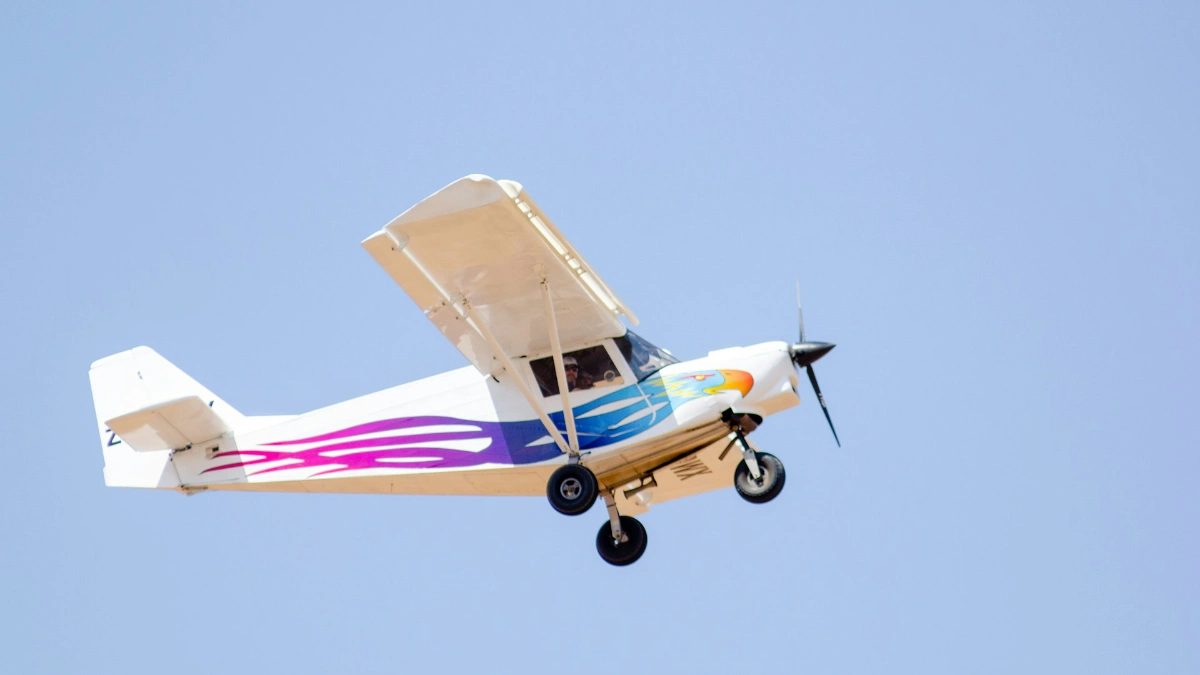
For 20 years, we’ve been lumping these two things together. Before, Light Sport Aircraft (LSA) referred to those small under performing and non-typical training aircraft under ~1500 pounds (1320 lbs for land and 1430 lbs for sea) where a 10 knot crosswind would make the whole plane shake. Before, being a Sport Pilot meant being limited to only those under performing aircraft. So many aspiring pilots and CFIs did not give Sport Pilot the time of day citing that it wasn’t worth pursuing and to just go for a Private Pilot Certificate instead.
That’s over.
Elliott explains it perfectly: “You have to mentally in your mind just break them apart and say, okay, LSA is one thing and that’s for manufacturers that want to build new airplanes.” Being a Sport Pilot on the other hand is different. It means operating and exercising privileges as a Sport Pilot. The new MOSAIC updates changes the scope of privileges and types of aircraft a Sport Pilot can operate.
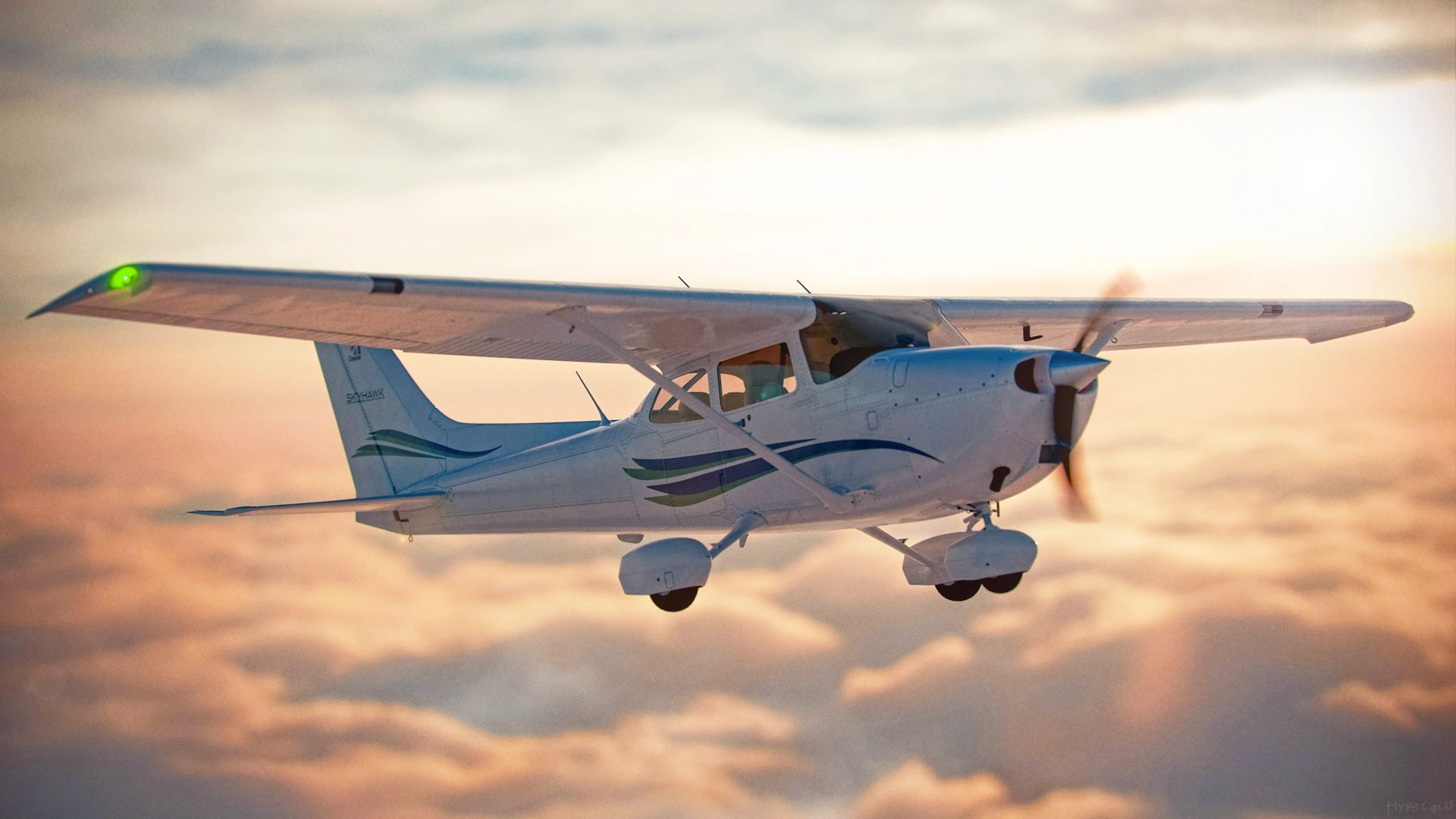
Translation for your business: Sport pilots can now fly your Cessna 172s and Piper Cherokees. This means that your existing aircraft fleet and your existing CFIs can perform flight training for Sport Pilots. There’s no need to seek a brand new LSA because typical single engine training fleet now qualifies as an aircraft eligible to be operated by a sport pilot.
What Actually Changes on October 22, 2025
Let’s get specific about what sport pilots can do starting this fall:
The Stall Speed Standard: Instead of a rigid 1,320-pound weight limit, aircraft eligibility now centers on a 59-knot calibrated clean stall speed (VS1). This single change makes roughly 70-75% of the general aviation fleet available for sport pilot operations.
Four Seats, One Passenger: Sport pilots still carry only one passenger, but they can operate aircraft with up to four seats. That means your workhorse trainers like the Cessna 172 and Piper Cherokee are now sport pilot eligible.
Advanced Equipment: With appropriate endorsements, sport pilots can operate aircraft featuring retractable landing gear, constant-speed propellers, cruise speeds up to 250 knots, and modern glass cockpit avionics.
Night Flying: Sport pilots can now fly at night with proper endorsements, dramatically expanding the practical utility of the certificate.
FAA Medical Certificate Requirement Changes
Sport pilots only need a valid driver’s license and self-certification under 14 CFR 61.53. The driver’s license acts as a medical.
No going for FAA medical certicate renewals. No BasicMed physician visits. You driver’s license acts as the document to show that you are medically capable to operate an aircraft.
Elliott emphasizes the simplicity: “It literally is simply a driver’s license medical requirement. There’s no paperwork requirement. It’s simply abiding by and complying with 61.53, which says you as the pilot in command are ultimately responsible to ensure that you can conduct all portions of that flight in a safe manner.”
Think about how many student pilots you’ve lost because someone was worried about passing a medical. That objection just evaporated.
The Economics That Change Your Business Model
Let’s talk numbers, because this is where MOSAIC becomes a business revolution, not just a regulatory update.
Sport Pilot Training Time: 20-hour minimum, with typical completion around 35-50 hours
Private Pilot Training Time: 40-hour minimum, with typical completion around 70-80 hours
Sport Pilot Cost: $6,650-$12,000 average total cost
Private Pilot Cost: $11,725-$20,000+ average total cost
Elliott summarizes it perfectly: “No matter whether it’s by the numbers of the regulatory requirements or by the actual reality of how much time it actually takes to obtain a private pilot certificate versus obtaining a sport pilot certificate, it’s about half the time.”
Half the time. Half the cost. Same aircraft you’re already using.
Solving Your Dropout Crisis
It’s well known in the flight training industry that 70-80% of students quit before earning any certificate. The primary culprits? Cost, time commitment, and the difficulty of achieving competency within a reasonable timeframe.
MOSAIC directly attacks every one of these barriers.
Elliott explains the psychological shift: “If I can turn people over with a certificate in their pocket in six to seven weeks of time frame… Are people more likely to stay with it if they can actually finish a certificate and say, hey, look, I’m a pilot. I actually accomplished this. I think I want to go on and do the private and the instrument.”
Think about this strategically: sport pilot certification functions as a conversion-optimized entry point that gets students certificated quickly, building momentum and commitment before they reach that dropout danger zone. Then you can upsell them into private, instrument, and commercial programs from a position of engagement rather than watching them disappear.
You’re allowing students who would have quit before earning anything to become certificated pilots who can continue training.
Your CFI Retention Problem? MOSAIC Helps There Too
One of MOSAIC’s most overlooked provisions addresses your chronic instructor turnover challenge: Sport Pilot Instructor (CFI-SP) certification.
Unlike traditional CFI requirements demanding commercial certificates and training, CFI-SP candidates need only:
- 150 hours total time
- Pass the Fundamentals of Instruction written exam
- Complete the practical test with a designated examiner
Elliott highlights the game changing potential: “Sport pilot instructors are not trying to build time to go to a job. They want to instruct just to instruct. So that’s a major factor. If I can turn people over with a certificate in their pocket in six to seven weeks… that’s going to absolutely help curtail my turnover problem.”
Here’s your action item: Start recruiting experienced recreational pilots from your local EAA chapters, flying clubs, and social flight organizations right now. These pilots which are often retired professionals or financially secure enthusiasts represent a stable instructor pool motivated by passion rather than airline time building.
They’ll actually stick around because they want to be there.
The Fleet Question: What About Your Current Aircraft?
Here’s critical information that affects your immediate planning: A Cessna 172 operated by a sport pilot does not become a Light Sport Aircraft.
Elliott clarifies: “It simply is a standard category 172 that now a sport pilot is eligible to operate because it meets the eligibility requirements for sport pilot to be able to do so. It doesn’t change the cert basis of the airplane.”
This means you can start capitalizing on MOSAIC immediately using your existing standard category trainers without:
- Aircraft recertification processes
- Maintenance procedure changes
- Different inspection requirements
- New insurance classifications (in most cases)
Speaking of insurance, the early signals are encouraging. Elliott reports feedback from major underwriters: “[An insurance company I was talking to] this morning clearly said, no, it’s not a factor for us. We’re not concerned about it. The requirement for a medical certificate is moot. It’s all about what’s required for the certificate and the training is taking place for.”
Still, contact your insurance provider proactively to confirm coverage and document any policy adjustments. But expect good news.
Your MOSAIC Marketing Strategy
MOSAIC enables you to reach demographics that were previously out of reach:
Cost-Conscious Recreational Pilots: The 50% cost reduction brings flight training within reach for middle income households who viewed aviation as financially unattainable. These are prospects who never called you before because they couldn’t justify $15,000+.
Medical-Concerned Prospects: Thousands of aspiring pilots avoid flight training due to medical certification anxiety. Driver’s license eligibility eliminates this psychological barrier entirely.
Career Explorers: Prospective professional pilots can validate their interest and aptitude through affordable sport pilot training before committing to expensive commercial programs. It’s a rational way to test drive an aviation career.
Retirement-Age Students: Older students concerned about medical certification complexity can pursue aviation dreams through sport pilot pathways without anxiety.
Messages That Convert
Your marketing should emphasize these specific value propositions:
“Earn Your Pilot Certificate in 6-8 Weeks Instead of 12-18 Months” - Speed sells, especially to busy professionals and people who’ve been putting off their aviation dreams.
“Start Flying for Under $10,000 with No Medical Exam Required” - Remove the two biggest barriers in one sentence.
“Begin with Sport Pilot, Upgrade to Private Pilot Using the Same Aircraft and Instructor” - This positions sport pilot as smart, not limiting.
“Train in Cessna 172s and Piper Cherokees Under Sport Pilot Privileges” - Eliminates concerns about unfamiliar aircraft.
Right Rudder Marketing specializes in aviation marketing strategies that translate regulatory changes like MOSAIC into compelling student acquisition campaigns. We help flight schools capture market share during transformative periods exactly like this one.
Building Your Sport-to-Private Pipeline
Smart flight schools will implement structured progression programs that maximize lifetime student value:
Phase 1 - Sport Pilot Foundation (20-40 hours):
- Complete sport pilot certification
- Build basic VFR proficiency
- Establish instructor-student relationship
- Total investment: $6,000-$10,000
Phase 2 - Private Pilot Upgrade (20-30 additional hours):
- Add night flying training
- Complete complex cross country requirements
- Additional investment: $5,000-$7,000
This staged approach provides psychological “wins” that maintain student engagement while distributing financial burden across time. Students feel successful quickly, which keeps them committed.
New Revenue Streams: Endorsement Training
MOSAIC creates additional training revenue opportunities through endorsement requirements:
- Retractable gear endorsement training
- Constant-speed propeller endorsement training
- Night flying endorsement for sport pilots
- Transition training for pilots moving from legacy LSAs to standard category aircraft
Each endorsement represents billable instruction that enhances student capabilities while generating incremental revenue. Build these into your program offerings from day one.
The July 2026 Aircraft Revolution
While pilot privileges changes this October, new aircraft manufacturing standards take effect July 24, 2026. These enable manufacturers to build LSAs featuring:
- Four-seat configurations
- 61-knot dirty stall speed (fully configured)
- Any propulsion type including electric, turbine, and hybrid
- Retractable gear and constant-speed propellers
- 250-knot maximum speed
Elliott anticipates significant manufacturer interest: “I would be watching Oshkosh. Let’s see what new designs are unveiled at Oshkosh next year.”
Fleet Modernization Economics
Here’s why you should start planning now for post-July 2026 fleet acquisitions:
Cost Advantage: New LSAs manufactured under ASTM consensus standards cost approximately 50% less than Part 23 certificated aircraft. Where a new Cessna 172 costs $600,000-$700,000, comparable MOSAIC-compliant trainers project around $300,000-$350,000.
Operating Economics: Modern LSA trainers equipped with Rotax engines or electric propulsion deliver:
- 50% lower fuel costs using premium automotive fuel or electricity versus 100LL avgas
- Reduced maintenance expenses through simplified systems
- Higher utilization rates due to lower hourly operating costs
Technology Appeal: Glass cockpit LSAs with Technically Advanced Aircraft (TAA) features attract younger students and prepare them for contemporary aviation careers.
Your 90-Day Implementation Roadmap
Immediate Actions (October-December 2025)
Week 1-2: Internal Preparation
- Brief all CFIs on MOSAIC sport pilot privileges
- Review insurance policies and document sport pilot coverage
- Identify aircraft in current fleet meeting 59-knot stall speed requirement
Week 3-4: Program Development
- Design sport pilot curriculum using existing aircraft
- Establish sport-to-private progression framework
- Develop endorsement training protocols
Month 2-3: Marketing Launch
- Redesign website to prominently feature sport pilot programs
- Create social media campaigns emphasizing cost savings and accessibility
- Develop discovery flight packages specifically for sport pilot prospects
- Launch email campaigns to inactive leads highlighting MOSAIC benefits
Right Rudder Marketing builds conversion-optimized flight school websites and marketing campaigns that effectively communicate MOSAIC advantages to prospective students, ensuring you capture this unprecedented market opportunity.
Medium-Term Strategy (Q1-Q2 2026)
CFI-SP Recruitment Initiative:
- Partner with local EAA chapters to identify CFI-SP candidates
- Host information sessions about sport pilot instructor opportunities
- Sponsor and mentor initial CFI-SP candidates to build instructor capacity
Performance Tracking:
- Monitor sport pilot enrollment vs. private pilot enrollment
- Calculate completion rates for sport pilot students vs. historical private pilot rates
- Assess revenue per student for sport-to-private progression pathway
Community Building:
- Establish sport pilot alumni network
- Create mentorship programs pairing new sport pilots with experienced pilots
- Host sport pilot fly-outs and social events
Long-Term Planning (Mid-2026 and Beyond)
Fleet Modernization Assessment:
- Evaluate new MOSAIC-compliant LSA options becoming available post-July 2026
- Conduct financial modeling comparing new LSA acquisition vs. existing trainer retention
- Establish manufacturer relationships for early delivery positions
Market Positioning:
- Develop reputation as regional MOSAIC expertise center
- Pursue partnerships with aircraft manufacturers for demonstration aircraft
- Expand into specialized training markets (electric aircraft transition, eVTOL preparation)
First-Mover Advantage vs. Competitive Threat
Flight schools implementing MOSAIC based programs in Q4 2025 gain significant advantages:
Search Engine Visibility: Early content creation about sport pilot programs establishes SEO authority. When prospects Google “affordable pilot training” or “how to become a pilot cheaply,” you want to own those top results.
Market Education: Schools actively educating their communities about MOSAIC benefits position themselves as thought leaders and trusted advisors. You become the local expert.
Student Pipeline Development: Early enrollment builds case studies and testimonials that accelerate subsequent student acquisition. Social proof is powerful.
The Competitive Reality
Schools ignoring MOSAIC face a genuine threat. Competitors offering $8,000 sport pilot programs will systematically undercut schools maintaining $15,000+ private pilot only structures. Students increasingly price shop across geographic regions. Cost competitiveness matters more than ever.
Addressing the Objections You’re Already Thinking
”Sport Pilot Has Been Around 20 Years—Why Is This Different?”
The previous sport pilot certificate limited pilots to specialized LSAs that handled very differently from standard trainers. Elliott explains: “Much lighter wing loading, much more responsive on the controls, much more pitch sensitive. They’re not bad, but they’re different. And it proved to be difficult for some people to make that transition.”
MOSAIC eliminates this barrier by allowing sport pilot operation of conventional trainers pilots already know. It’s fundamentally different this time.
”Won’t This Cannibalize My Private Pilot Revenue?”
With 70-80% student dropout rates, most flight schools never convert prospects into certificated pilots of any kind. Sport pilot certification provides a completion optimized pathway that converts students who would otherwise quit into certificated pilots who can then upgrade to private, instrument, and beyond.
”Is This Safe?”
MOSAIC maintains full training standards and practical test requirements. Elliott addresses this directly: “Is this unsafe or is this less safe? No, it literally takes the appropriate tasks in an Airman Certification Standards, applies them to a pilot training process called Sport Pilot, and you still have to train to meet that standard and ultimately take a test with an examiner.”
Sport pilots undergo rigorous training appropriate to their privilege limitations, backed by 20 years of safety data.
Partnership Resources You Should Leverage
The Experimental Aircraft Association provides extensive support for schools implementing sport pilot programs:
- Sport Pilot Academy operating at Oshkosh with proven curriculum models
- Training materials and standardized syllabi
- CFI-SP development resources
- Community connection through 900+ EAA chapters nationwide providing student pipeline opportunities
Don’t reinvent the wheel. EAA has already done significant groundwork you can leverage.
The Financial Reality Check
Let’s model the actual economics:
Revenue per Sport Pilot Student: $8,000-$12,000 average
Sport-to-Private Upgrade Revenue: Additional $5,000-$7,000
Total Lifetime Student Value: $13,000-$19,000 for sport-to-private progression vs. $0 for the 70-80% of current students who drop out before any certification
Break-Even Analysis: If you invest $5,000 in MOSAIC marketing and program development, break even occurs at approximately 1-2 additional sport pilot enrollments that wouldn’t have occurred otherwise. Every subsequent enrollment represents pure incremental profit.
The numbers work. The question is execution.
Why This Matters Beyond Your Flight School
Boeing projects North America requires approximately 127,000 new pilots by 2042, with Oliver Wyman forecasting a U.S. pilot supply deficit reaching 24,000 by 2026. MOSAIC’s accessibility improvements position flight schools to meaningfully address this shortage by:
- Reducing financial barriers that prevent capable candidates from entering training
- Accelerating training pipelines through faster initial certification
- Expanding instructor capacity through CFI-SP pathways
Additionally, the emerging eVTOL industry projects demand for 19,000 pilots by 2030. Sport pilot training in modern glass cockpit LSAs—many featuring electric propulsion—provides cost-effective preparation for these future careers.
Flight schools positioning themselves as electric aircraft and eVTOL training specialists will capture this emerging market segment before mainstream competition recognizes the opportunity.
Expert Support for Your MOSAIC Implementation
The complexity of regulatory interpretation, marketing strategy development, and competitive positioning makes specialized expertise valuable for flight schools navigating MOSAIC implementation.
Right Rudder Marketing exclusively serves the aviation training industry, providing comprehensive support including:
- MOSAIC marketing strategy development translating regulatory changes into student acquisition campaigns
- Website redesign and optimization emphasizing sport pilot programs and conversion pathways
- Content marketing establishing your school as a local MOSAIC expertise center
- Search engine optimization capturing “affordable flight training” and related search volume
- Social media management building community and generating enrollment leads
- Analytics and performance tracking measuring sport pilot program ROI
Contact Right Rudder Marketing to discuss how strategic marketing can help your flight school capitalize on this unprecedented regulatory opportunity.
The Bottom Line
MOSAIC represents a once in a lifetime regulatory reset that fundamentally alters flight training economics. Schools implementing sport pilot programs immediately gain decisive advantages:
- 50% cost reduction making training accessible to dramatically larger markets
- Faster certification timelines reducing student dropout from 70-80% to potentially 30-40%
- Existing aircraft utilization requiring no fleet investment for immediate implementation
- Instructor pool expansion through CFI-SP pathways addressing chronic retention challenges
- Competitive differentiation before market saturation
Sean Elliott’s final observation captures the opportunity: “Let’s see what new designs are unveiled at Oshkosh next year. It wouldn’t surprise me if you see some manufacturers start to at least dip their toe.”
Flight schools must match this manufacturer urgency with aggressive MOSAIC adoption.
The aviation training industry transformation begins October 22, 2025. Flight schools that act immediately will define the next decade of their market. Those who hesitate will spend that decade trying to catch up.
The choice is clear: Lead the MOSAIC revolution or follow competitors who moved first.
MOSAIC will transform your market. It’s up to you to decide if you’ll be the one doing the transforming, or watching it happen around you.