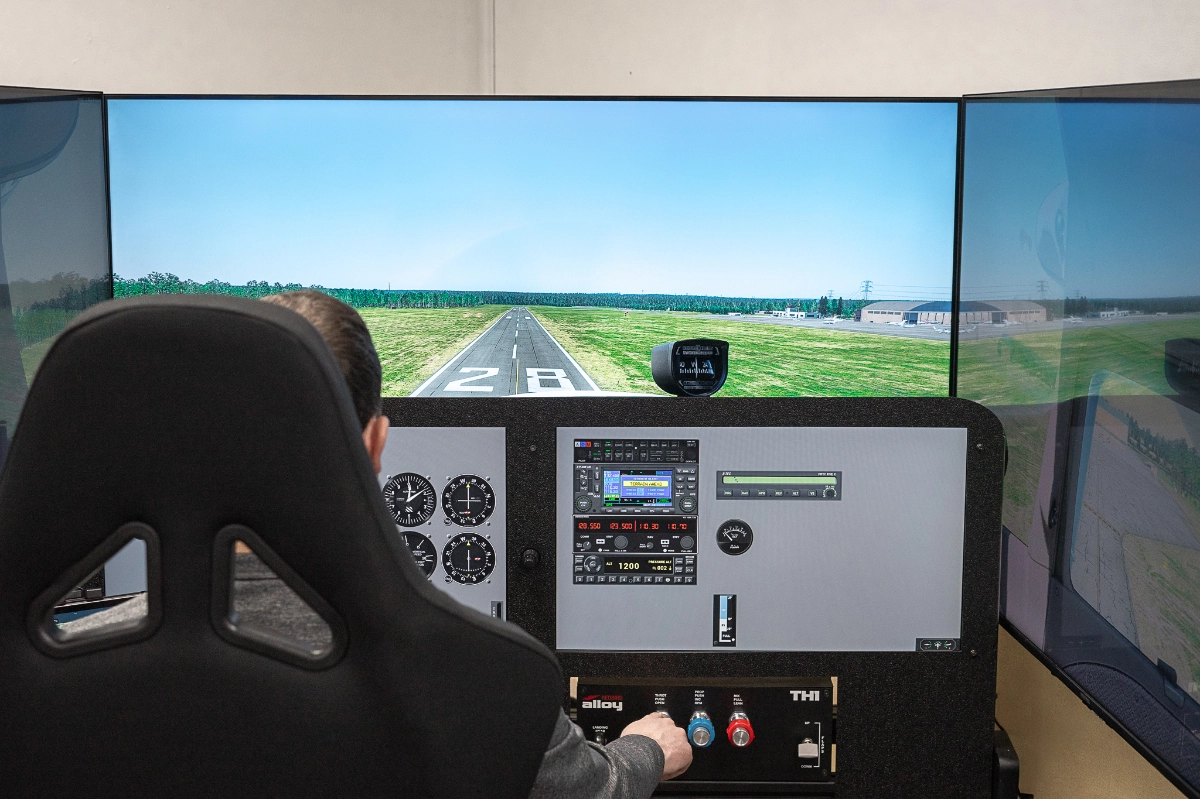
In the world of private and professional pilot training, efficiency is more than a buzzword—it’s a necessity. Aspiring pilots face rising costs, extended timelines, and often inconsistent preparation that can double the flight hours needed to reach checkride readiness. But there is a solution: enhanced ground instruction, including scenario-based use of simulators and focused ground classes, can transform training outcomes.
The Challenge: Flight Hours Beyond the Minimum
The FAA mandates a minimum of 40 flight hours for a private pilot certificate under Part 61, with Part 141 programs requiring as few as 35 hours. Yet, the national average hovers around 75 to 80 hours before students are ready for their checkride. This gap represents not just extra time but significant additional cost and potential frustration for students.
We must acknowledge that this is a significant data point to consider when attacking our industry’s abysmal 80 percent attrition rate. Not only does this enormous time/cost overrun waste valuable resources and discourage potential future pilots, but it also leads to something far more serious: compromised aviation safety by ineffective pedagogical methods. We know how students learn, and we also know how to teach effectively—yet we largely fail to apply this knowledge to our curricula and their application in the field.
Data Snapshot
| Category | Flight Hours |
|---|---|
| FAA Minimum | 40 |
| National Average | 75 |
| National Average (High) | 80 |
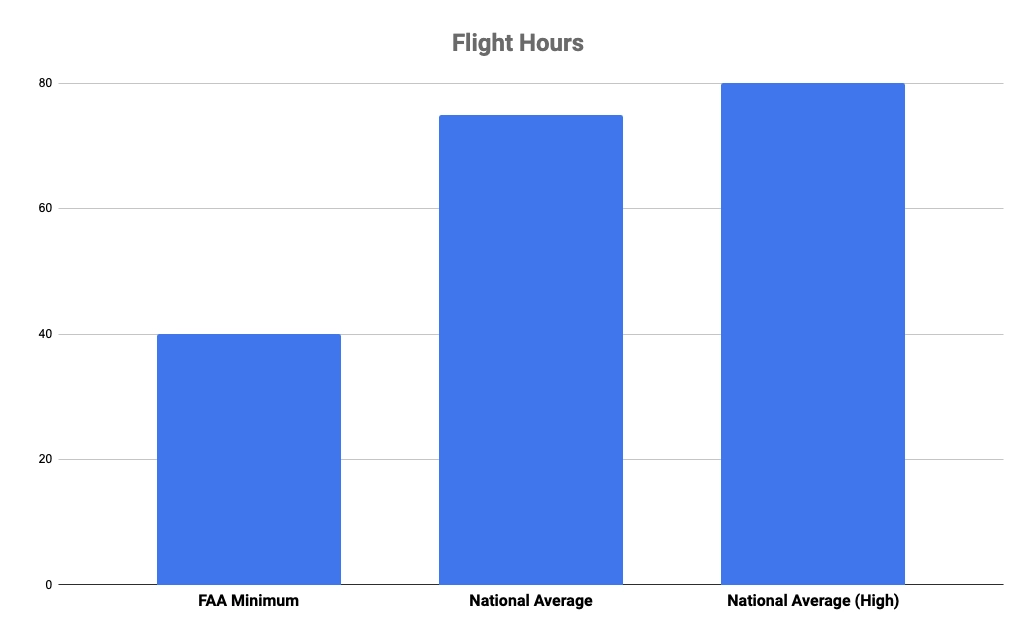 This comparison starkly illustrates the discrepancy between regulatory minimums and actual training hours, underscoring the need for more effective preparation.
Why Are Students Flying More?
The root cause often lies in insufficient ground training. Basic skills such as navigation, weather interpretation, and regulatory knowledge are sometimes taught during flight lessons rather than beforehand. This approach leads to repetitive in-flight instruction, inefficient use of valuable flight time, and slower progress.
Industry surveys highlight that lack of structured ground training is a leading factor in extended flight hours. Without a solid foundation, students struggle to absorb complex concepts while managing the demands of actual flight.
Enhanced Ground Instruction: A Smarter Approach
The solution is not to cut corners but to prepare smarter. Enhanced ground instruction combines scenario-based simulator sessions with comprehensive ground classes and guided personal study.
In some cases this might even necessitate a course or seminar on how to study effectively. Some students, especially those who are coming to us directly from primary school or even college, may have missed out on acquiring the skills necessary to learn a technical skillset and apply them in a safety-focused environment. Teach them how to study and succeed.
Scenario-Based Simulator Use
Simulators offer a cost-effective, repeatable environment where students can practice navigation, emergency procedures, and crosswind landings without the pressures and costs of actual flight. This hands-on, immersive training builds muscle memory and confidence.
Keeping it scenario-based helps support higher order thinking skills (HOTS) and “application” and “correlation” level learning outcomes. CFIs reading this will immediately recall these concepts from their CFI training.
Focused Ground Classes
Structured classes covering weather, regulations, flight planning, aircraft systems, and aerodynamics ensure students arrive at the airport ready to apply knowledge rather than learn it mid-flight. These classes foster deeper understanding and reduce the cognitive load during actual flying.
Guided Personal Study
With well-designed materials and clear study plans, students can reinforce learning independently, making ground instruction a continuous, integrated process. As previously mentioned, the beginning of this process may need to involve a primer on where to start and how to effectively spend time alone (or in a cohort) gathering new information.
Data Snapshot: The Impact of Simulators
| Training Stage | Average Flight Hours Required |
|---|---|
| Without Simulator | 80 |
| With Simulator | 50 |
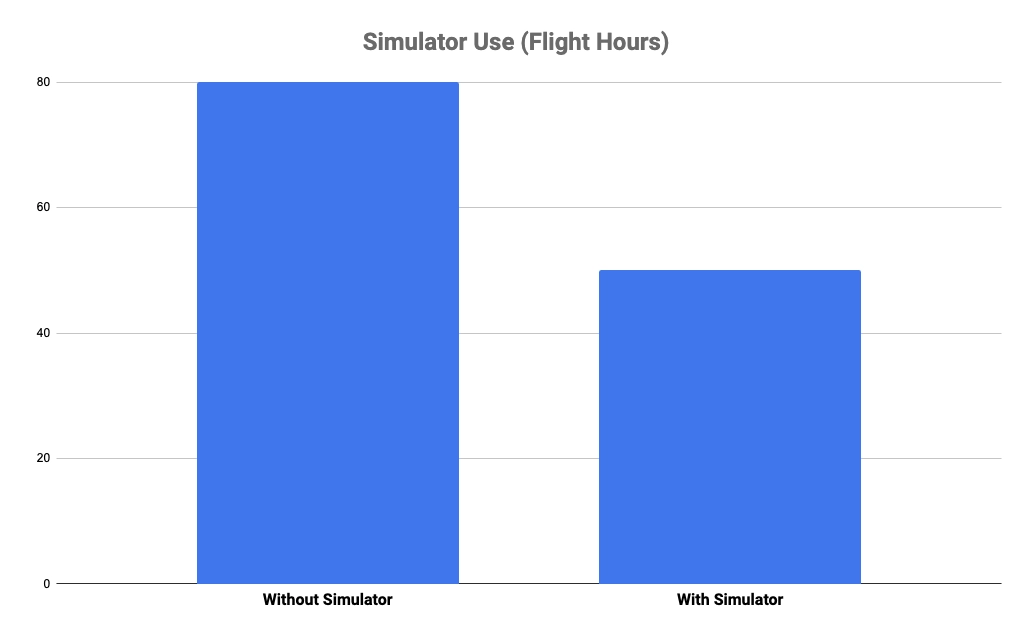 This comparison demonstrates how simulator training can reduce the average flight hours needed to reach checkride readiness by nearly 40%.
The Benefits: More Efficient, Confident Pilots
Flight schools that adopt enhanced ground instruction see students reaching checkride readiness closer to the FAA minimum hours. This efficiency translates into lower training costs and more accessible aviation careers.
Moreover, graduates exhibit stronger decision-making skills, better situational awareness, and greater confidence—qualities essential for safe and competent pilots.
Data Snapshot: Readiness Distribution
| Readiness Category | Percentage of Students |
|---|---|
| 40–50 Hours | 60% |
| 51–70 Hours | 30% |
| 71+ Hours | 10% |
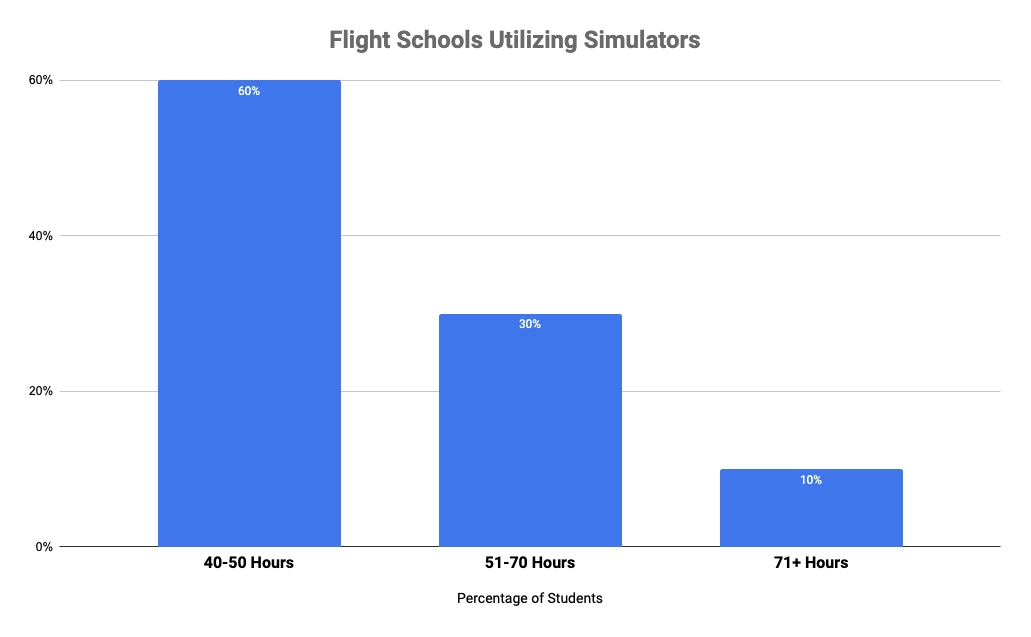 This distribution highlights that the majority of students trained with enhanced ground instruction achieve readiness within 40 to 50 flight hours.
Conclusion: Leading the Change in Pilot Training
The path forward is clear. Flight schools must lead the change by integrating scenario-based simulator use, structured ground classes, and disciplined personal study into their curricula. By doing so, they not only reduce costs and training time but also elevate the quality and safety of pilot training; and one final note for us flight school operators: where are our margins tightest, in the air or in the classroom? Fewer flight hours saves the student money overall, but the shift to ground instruction actually serves to keep more of that money on our bottom line.
Smarter ground instruction is not just an option—it’s the future of safe, efficient, effective pilot education.
Data Sources
- FAA Part 61 and Part 141 flight hour requirements (14 CFR §61.109).
- AOPA training data on national average flight hours.
- Industry surveys on training inefficiencies.
- Studies on simulator training impact on flight hours.
- FAA and AOPA data on pilot readiness and safety outcomes.