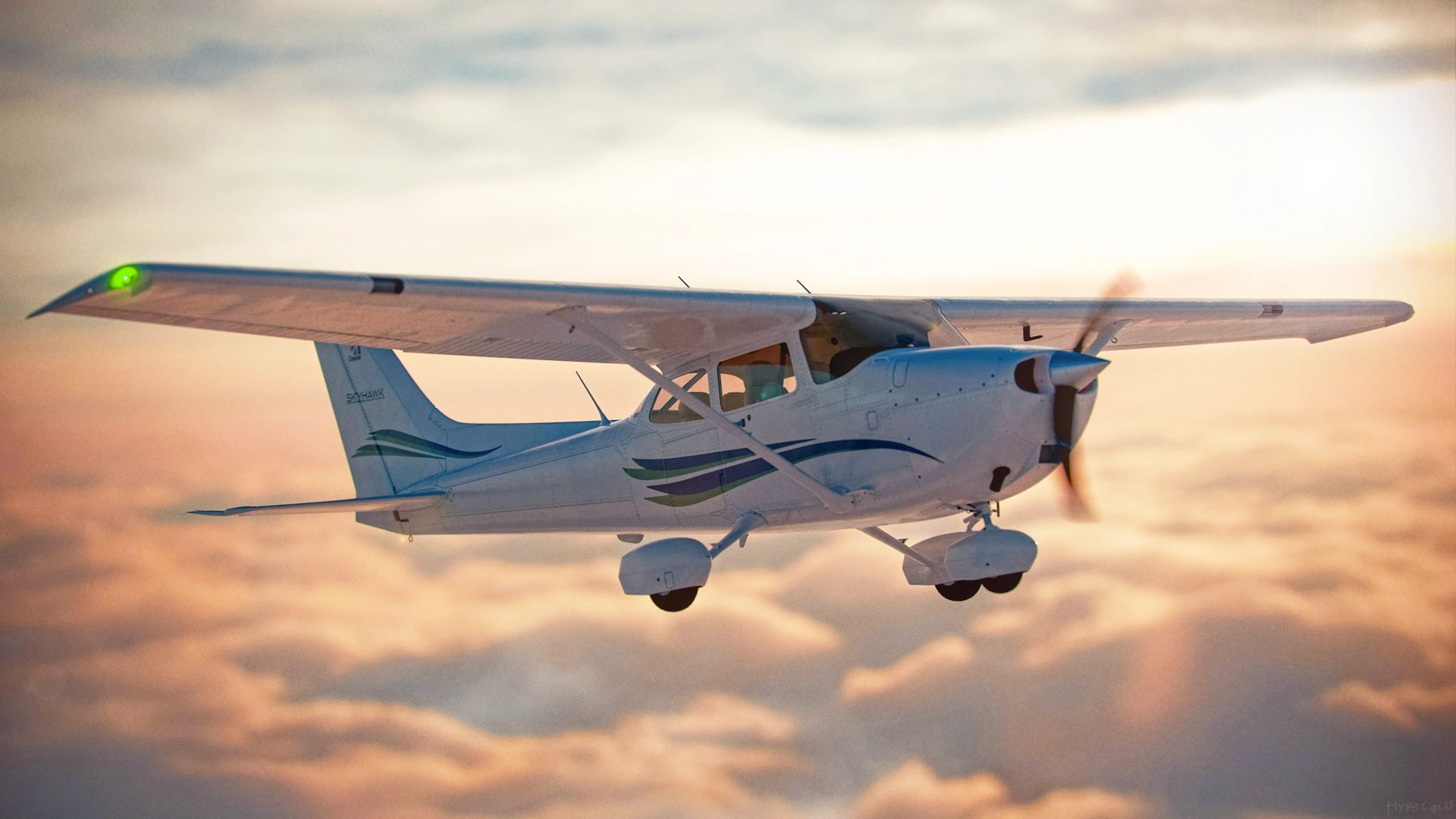
The wait is finally over. After years of industry anticipation and extensive public input, the FAA has officially released the final MOSAIC (Modernization of Special Airworthiness Certification) rule. This isn’t just another regulatory update buried in federal paperwork. This is the most transformative change to Light Sport Aircraft since the category launched in 2004, and it’s about to reshape how flight schools operate, compete, and thrive.
If you’re a flight school owner wondering what this means for your business, here’s the bottom line: MOSAIC represents your biggest growth opportunity in decades. The schools that move quickly to understand and implement these changes will gain a significant competitive advantage in the coming years.
Understanding MOSAIC: More Than Just Rule Changes
The MOSAIC rule fundamentally expands what Light Sport Aircraft can be and do. Think of it as the FAA removing the artificial ceiling that has limited LSA innovation for two decades. The result? A new generation of aircraft that are safer, more capable, and more cost-effective than ever before.
The Game-Changing Updates
Weight and Performance Increases: The new rule allows LSAs to weigh significantly more, opening the door for stronger airframes, advanced safety systems, and sophisticated avionics that were previously off-limits. This means your training aircraft can now include features like retractable landing gear and constant-speed propellers.
Four-Seat Training Aircraft: For the first time, LSAs can accommodate four seats, revolutionizing how you can structure training programs and family-oriented flying experiences. Imagine offering intro flights where entire families can experience aviation together.
Electric and Hybrid Propulsion: MOSAIC explicitly welcomes electric and hybrid-electric aircraft into the LSA category. This isn’t just about being environmentally conscious (though that matters). It’s about dramatically reducing your operating costs while appealing to a new generation of environmentally aware students.
Expanded Commercial Operations: The rule opens new revenue streams by allowing LSA operations in commercial roles like aerial photography, agricultural support, and even air taxi services. Your aircraft can now work harder for your business.
Why Flight Schools Should Be Excited
The real value of MOSAIC isn’t in the technical specifications. It’s in how these changes solve persistent problems that have limited flight school growth and student satisfaction.
Solving the Cost Problem
Rising fuel costs have made flight training increasingly expensive, pricing out many potential pilots. Electric and hybrid LSAs under MOSAIC can cut your fuel costs dramatically. Some electric aircraft cost less than $10 per hour to operate compared to $50-80 for traditional aircraft. That’s a game-changer for your bottom line and your students’ wallets.
Addressing the Dropout Crisis
One of the biggest challenges in flight training is student retention. Many students abandon their training when transitioning between different aircraft types disrupts their learning momentum. MOSAIC enables students to progress from basic certificates through advanced ratings in the same aircraft family, creating a smoother, more confidence-building experience.
Meeting Modern Expectations
Today’s students grew up with smartphones and electric cars. They expect modern technology and environmental responsibility. MOSAIC-compliant aircraft with advanced avionics and clean propulsion systems align with these expectations, making your school more attractive to younger demographics.
Creating Marketing Differentiation
In a competitive market, flight schools need compelling stories to tell. MOSAIC gives you several: you’re offering cutting-edge technology, you’re environmentally responsible, you’re cost-effective, and you’re preparing students for the future of aviation. These narratives resonate with modern consumers.
Strategic Implementation: Your Action Plan
Moving quickly on MOSAIC isn’t just about buying new aircraft. It requires a strategic approach that touches every aspect of your operation.
Fleet Strategy
Start by evaluating which MOSAIC-compliant aircraft best serve your market. Are you primarily training private pilots, or do you have commercial students? Do local demographics favor cost-conscious training or premium experiences? Your answers will guide your aircraft selection.
Connect with manufacturers now. As MOSAIC demand accelerates, delivery times will extend. Early conversations put you in line for the most innovative aircraft and potentially better pricing.
Curriculum Development
MOSAIC aircraft often feature advanced avionics and systems that require updated training curricula. This is an opportunity to modernize your entire training approach, not just accommodate new aircraft. Consider how glass cockpit training, electric aircraft systems, and advanced autopilots can enhance your programs.
Instructor Preparation
Your CFIs are the face of your modernization effort. Invest in comprehensive training that goes beyond basic aircraft checkout. Help them understand the technology, the environmental benefits, and the career advantages these aircraft offer students. Well-prepared instructors become your best marketing asset.
Marketing Evolution
Update your digital presence to reflect your MOSAIC capabilities. This includes your website, social media, and advertising campaigns. But don’t just list new aircraft specs. Tell the story of how these changes benefit your students: lower costs, better training, faster progression, and preparation for aviation’s future.
Consider hosting MOSAIC demonstration events where prospective students can experience the technology firsthand. There’s nothing like sitting in a modern LSA with advanced avionics to communicate your school’s forward-thinking approach.
Partnership Opportunities
MOSAIC creates new collaboration possibilities with aircraft manufacturers, avionics companies, and clean aviation startups. These partnerships can provide training aircraft, technical support, and co-marketing opportunities that accelerate your growth while reducing costs.
The Competitive Landscape is Shifting
Here’s what many flight school owners don’t realize: MOSAIC isn’t just changing what’s possible. It’s changing what students will expect. The schools that embrace these changes early will set new standards for training quality, cost-effectiveness, and student experience.
The schools that delay will find themselves competing with increasingly outdated offerings. In five years, explaining why you’re still using 1970s training aircraft when modern alternatives exist will be a difficult conversation with prospective students.
Common Concerns and Realities
“New technology is expensive.” While initial aircraft costs may be higher, the total cost of ownership often favors modern aircraft. Lower fuel costs, reduced maintenance requirements, and higher utilization rates can make MOSAIC aircraft financially superior.
“Students just want basic training.” Research shows that modern training experiences increase student satisfaction and completion rates. Students may start with basic goals, but they’re more likely to continue and refer others when they have positive experiences with current technology.
“My existing aircraft work fine.” They do work, but MOSAIC isn’t about replacing aircraft that work. It’s about positioning your school for growth in a changing market. Early adopters typically see the best return on investment.
Your Next Steps
The MOSAIC rule is now final, but the real work begins with implementation. Here’s how to start:
Immediate Actions (Next 30 Days):
- Research MOSAIC-compliant aircraft that fit your market
- Contact manufacturers to understand availability and pricing
- Begin updating your marketing message to emphasize innovation and modernization
Short-term Planning (Next 90 Days):
- Develop a fleet transition plan with realistic timelines
- Budget for instructor training and curriculum updates
- Create demonstration events to showcase your MOSAIC strategy
Long-term Strategy (Next Year):
- Implement new aircraft and training programs
- Measure student satisfaction and completion rate improvements
- Expand partnerships and explore new revenue opportunities
The Future is Electric, Efficient, and Exciting
The aviation industry is experiencing its biggest transformation since jets replaced propellers. MOSAIC puts flight schools at the center of this evolution, offering the tools to train pilots for aviation’s future while solving today’s cost and retention challenges.
The schools that recognize this opportunity and act decisively will lead the next generation of pilot training. They’ll attract more students, retain them longer, and operate more profitably. Most importantly, they’ll be preparing pilots for careers in an industry that’s rapidly modernizing.
The question isn’t whether to embrace MOSAIC. The question is how quickly you can position your school to capitalize on this historic opportunity.
Ready to explore how MOSAIC can transform your flight school’s growth trajectory? The aviation training experts at Right Rudder Marketing specialize in helping flight schools navigate industry changes and maximize new opportunities.
Schedule a strategic consultation to discuss your MOSAIC implementation plan and discover how to turn regulatory change into competitive advantage.